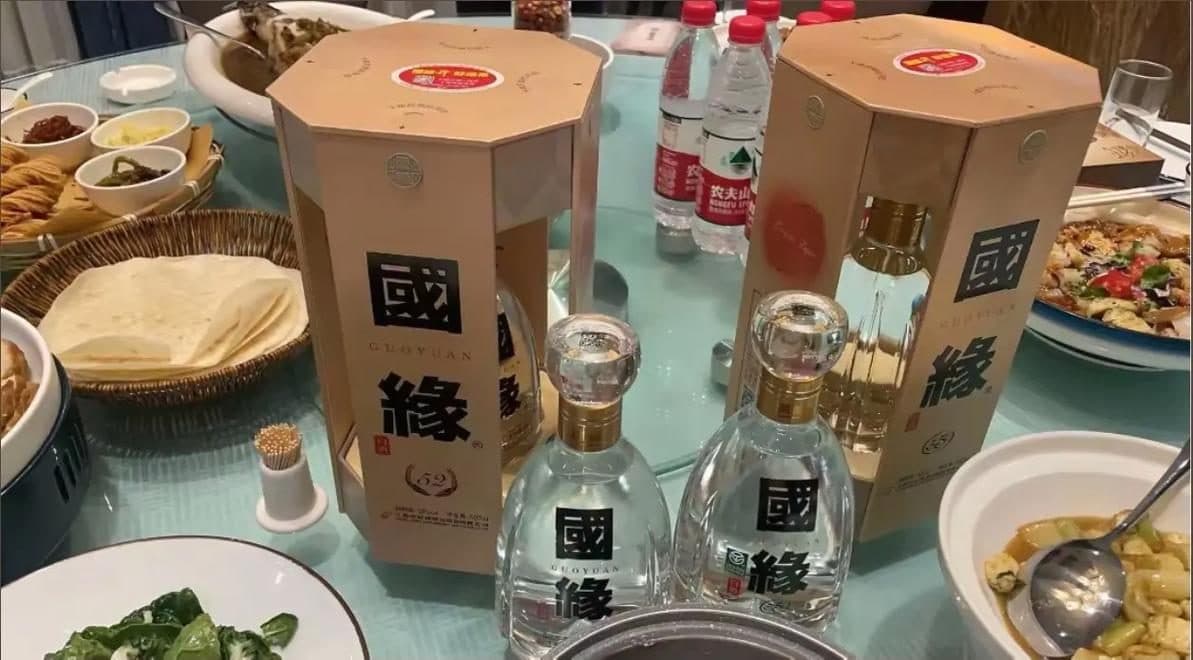
You can't just order baijiu from China to your door. Behind every bottle on an American shelf is a chain of licensed players — here's how it actually works.
Three-tier system, three sets of rules
The US regulates alcohol through a three-tier system: producer → importer/distributor → retailer. Baijiu from China enters through a licensed federal importer holding a TTB permit, then moves through state-level distributors into bars and stores. Every tier must be licensed — there is no consumer direct-import shortcut.
The paperwork nobody talks about
Beyond the importer's permit, each shipment needs certificates of origin from the Chinese side, export licensing from the producer's jurisdiction, and compliance with TTB labelling rules — including a government-approved label for every product. This is why working with experienced export partners matters: the documents are the hard part.
What it means for bars and retailers
If you run a bar, you don't import — you buy from a licensed distributor in your state, the same way you buy any whisky. Ask your distributor about baijiu; if they don't stock it yet, that's a gap we're actively filling, market by market.
Why this makes baijiu a partner business
The regulatory chain is precisely why baijiu is a trade product, not a consumer one. It also means the brands and exporters who build reliable licensed channels now will own the market later. That's the business we're in — and the door is open to serious partners.