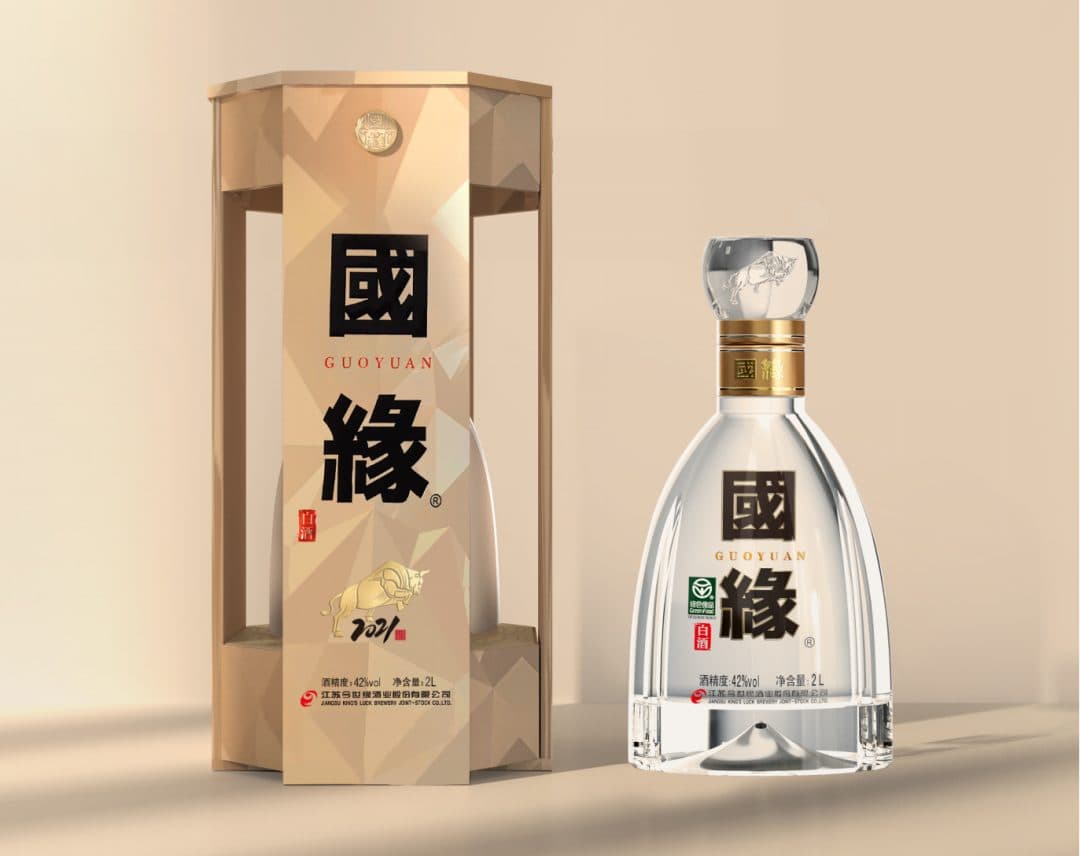
A Chinese banquet isn't a meal with drinking — it's drinking with a meal. Understanding the rituals of the round table is understanding baijiu itself.
The round table is a stage
At a Chinese banquet, the round table turns slowly and the baijiu bottle is the conductor. Dishes arrive in waves; glasses are small; toasts are frequent. The meal is structured around the drinking, not the other way around.
Etiquette that matters
A few rules go a long way: pour others' glasses before your own, and pour with two hands when serving an elder or guest of honour. Never pour yourself first. When toasting, raise your glass slightly lower than your elder's. The small gestures are the whole language.
Gān bēi and the art of the toast
'Gān bēi' — literally 'dry the glass' — is the full toast, usually reserved for significant moments. For ordinary rounds, 'sui yi' (as you wish) lets each person sip at their own pace. Reading the room is a skill; the bottle is the excuse to practice it.
Baijiu as the social solvent
Western business deals are sealed with contracts; Chinese ones are often warmed by baijiu. The drink doesn't blur judgment — it builds trust, round by round, story by story. When you understand that, you understand why baijiu is served at every table that matters.