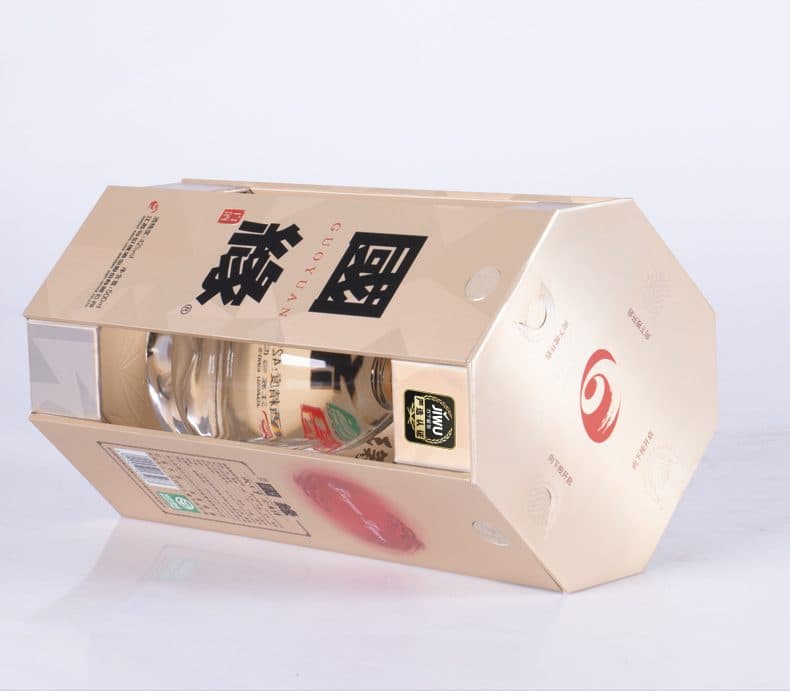
Mezcal spent decades as a mystery, then became the bartender's obsession. Every sign that made that happen now points at baijiu — plus a few it never had.
The mezcal playbook
Mezcal won the West not by being easy, but by being unmistakably itself: smoky, artisanal, story-rich, and impossible to confuse with anything else. Bartenders championed it, tastings demystified it, and its very complexity became the marketing. Baijiu checks every box — and starts from a far bigger home market.
Baijiu's three aces
First, a production method — solid-state distillation — with no Western equivalent, giving bartenders an instant 'wow' story. Second, an aroma spectrum wide enough to offer a 'flight' the way mezcal flights became a ritual. Third, four thousand years of culture attached to every bottle, the kind of depth marketing can't invent.
What's missing — and who fills it
Mezcal's rise was powered by importers who learned it early and evangelists who built the category. Baijiu needs exactly that: licensed importers and distributors willing to build it shelf by shelf, and brands willing to teach instead of just sell. That's the business we're in, and the door is open.
A prediction
The craft cocktail movement has already put baijiu in the world's best bars. The next five years decide whether it follows mezcal into the mainstream — or becomes the biggest untold story in spirits. We're betting on the former, one glass at a time.