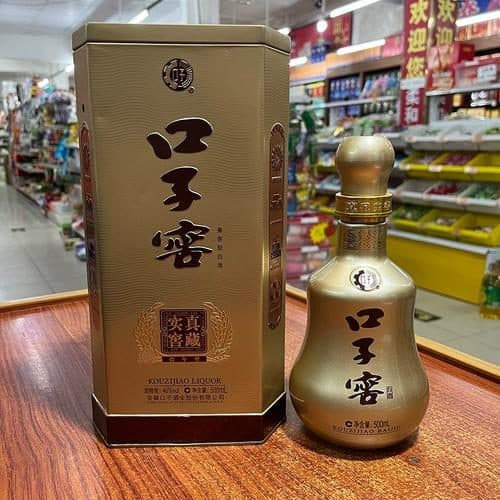
Whisky drinkers talk about regions; baijiu drinkers talk about aroma. Learn the four families and you can predict a bottle's character before you open it.
Aroma is the map
Just as wine is classified by region and whisky by malt character, baijiu is classified by aroma family — the signature fragrance created by its grains, qu culture and fermentation. The label almost always tells you which family a bottle belongs to. Here's what each one means.
Sauce aroma (Jiangxiang) — the caviar
Deep, savoury, almost food-like: soy sauce, fermented grain, dark fruit. The style of Moutai and Guizhou, and the most intense of the families. It rewards patience and pairs with rich braises and cured meats.
Strong aroma (Nongxiang) — the populist
Bold, fruity and floral — lychee, banana, honeycomb — produced by the ester-heavy fermentation of Sichuan and Jiangsu. This is the most widely drunk family in China, and the most approachable for newcomers. Our Guoyuan range lives here.
Light & rice aroma — the gentler side
Light aroma (Qingxiang) is clean and crisp, the style of Fenjiu in Shanxi; rice aroma (Mixiang) is soft and sweet from southern rice baijiu. Both are superb gateways and match delicate dishes. And then there's blended aroma (Jianxiang) — Kouzijiao's signature, weaving sauce and strong into one harmonious bottle.